Conducting Student Science on Long Island Waters
Get the full view of ADITL in 2026 by exploring the flyer!
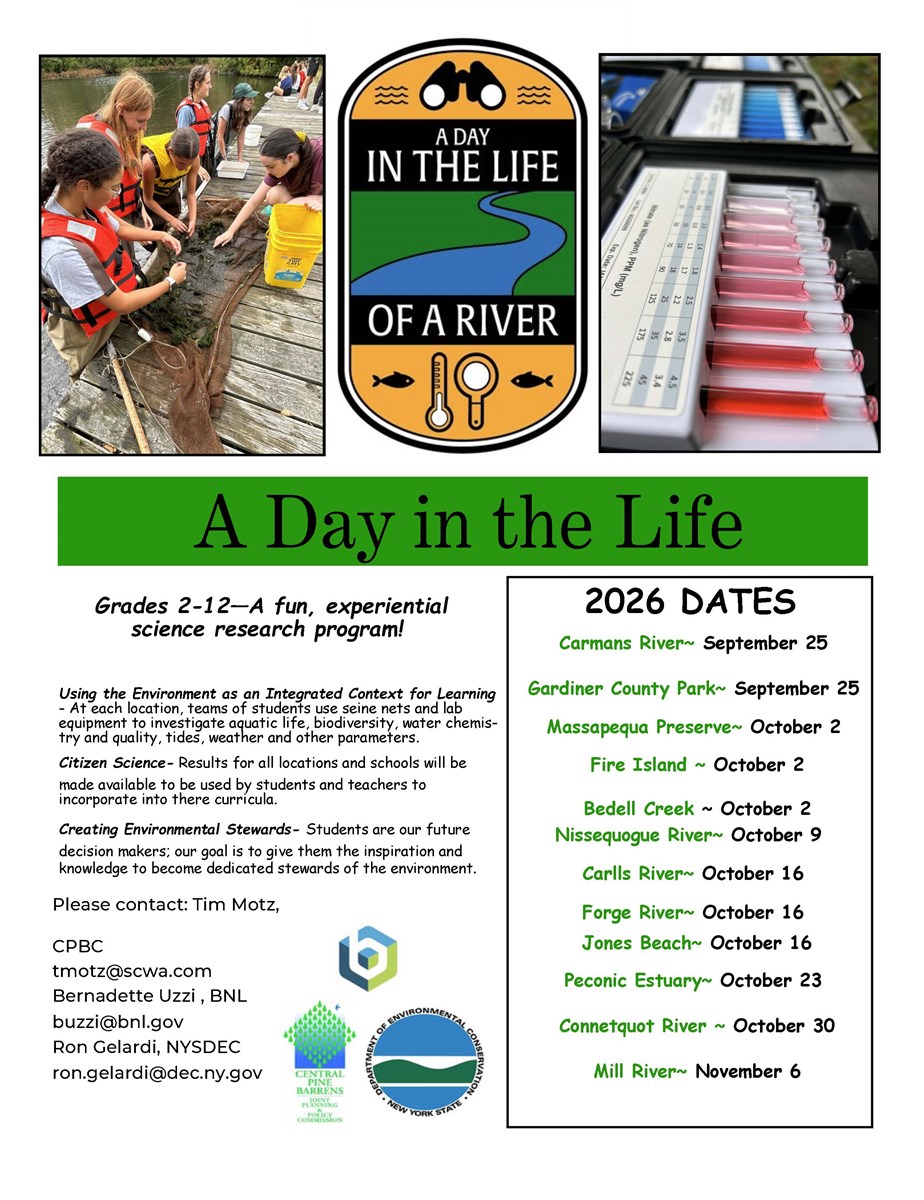
One of the most successful programs organized by the Central Pine Barrens Joint Planning and Policy Commission is the A Day in the Life program, in which students from schools all throughout the Central Pine Barrens region and beyond spend a day studying the ecosystems of Long Island’s many rivers, estuaries and other bodies of water.
The program has expanded greatly in recent years, now involving approximately 2,000 students and more than three dozen school districts assisted by more than 100 teachers, dozens of partner agencies and hundreds of natural history experts and science teachers. River systems studied now include the Carmans River, Connetquot River, Nissequogue River and Peconic Estuary, among other areas explored.
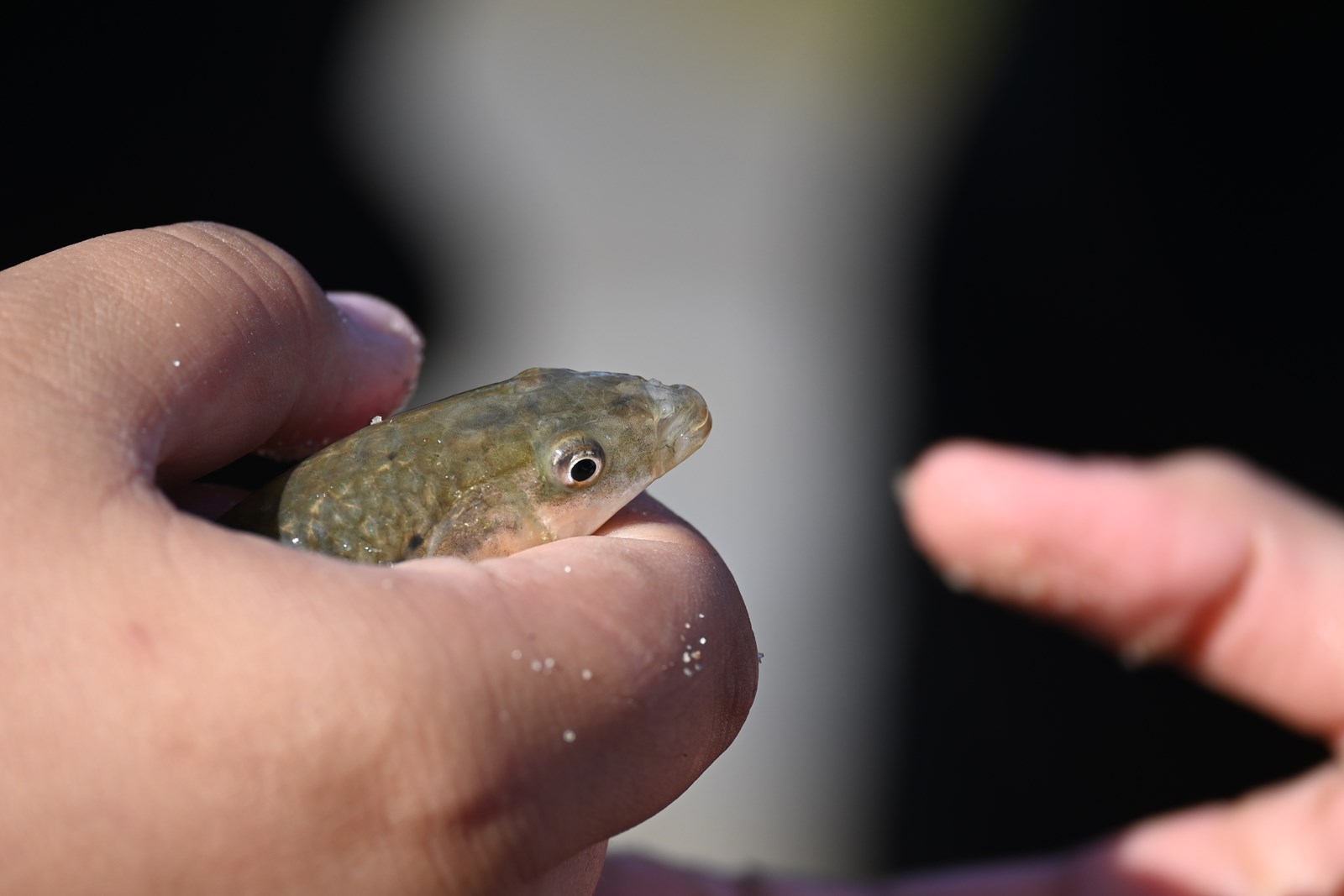
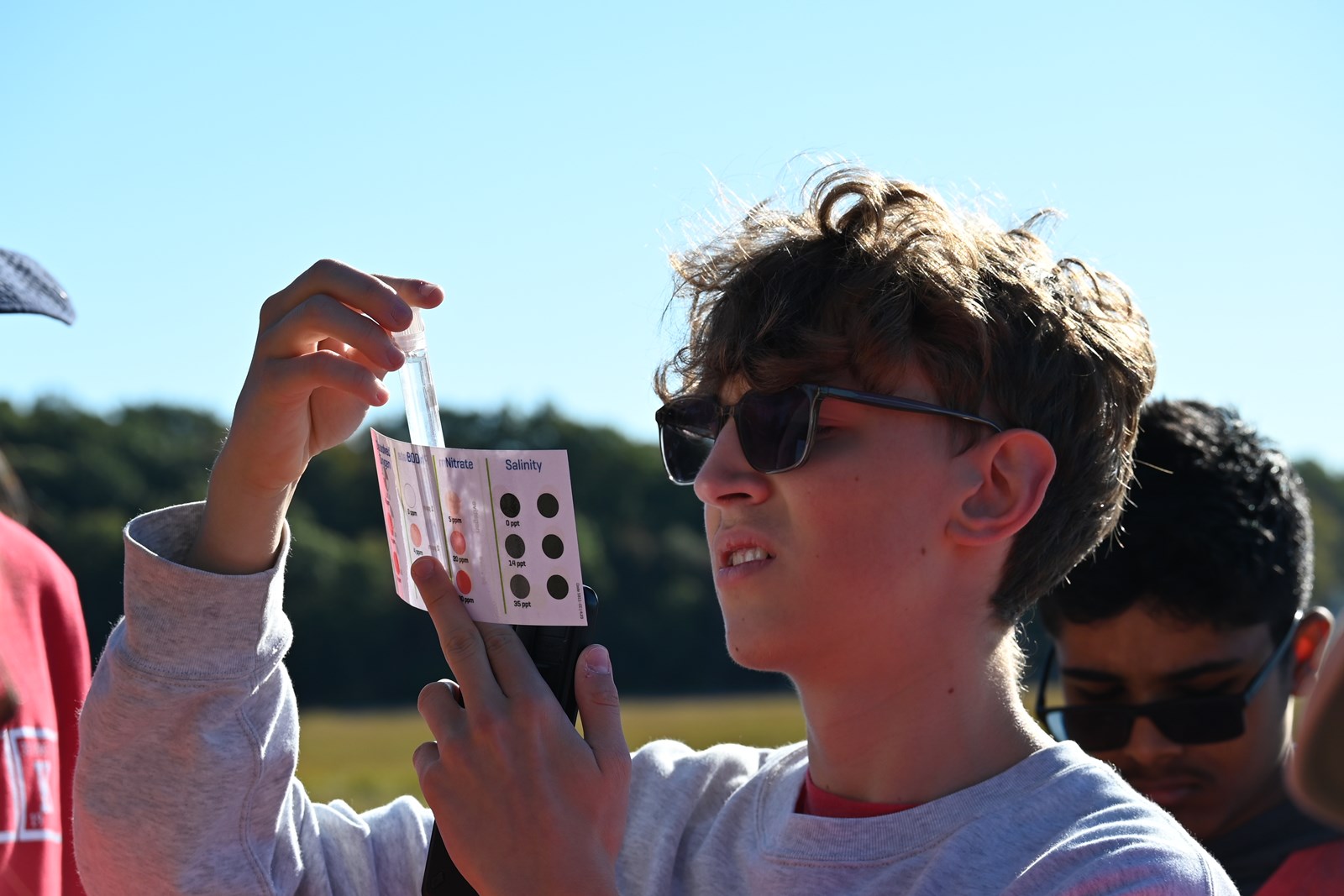
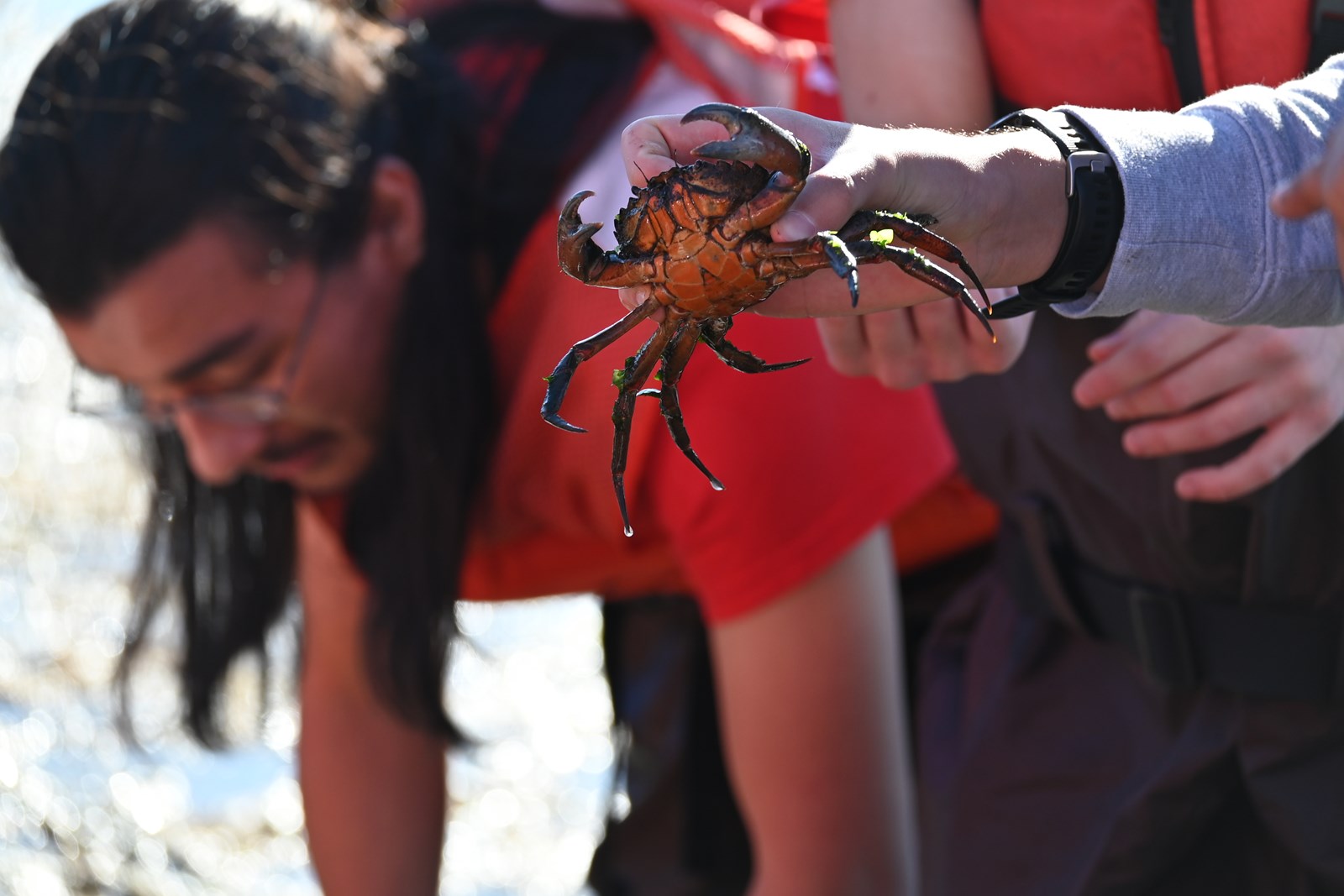
A Day in the Life allows students to conduct student science at each site to discover how the river they’re studying fits into the larger ecosystem. Students examine the physical and chemical aspects of each aquatic ecosystem, such as salinity and the presence of nitrates, phosphates and oxygen levels in the water. Students also conduct biodiversity inventories of the flora and fauna in and around the river or estuary. The program is coordinated by the commission in conjunction with Brookhaven National Laboratory and the New York State Department of Environmental Conservation.
Students work from a comprehensive workbook using the links to access either the ADITL Workbook or the ADITL Jr. Workbook. Each workbook allows you and your students to collect data, enter new observations and stay organized as you explore and document your findings.
With the use of this link, you can access the various species guides ADITL provides to help make your field day a huge success.
Click the link below to view the ADITL Instructional Videos for each of the five groups. These videos provide an overview of each group’s focus, highlight key concepts, and support a deeper understanding of the material. Use them as a guide to reinforce learning, prepare for activities, or revisit important information at your own pace.